



Mon – Fri:    5:30 AM – 5:30 PM

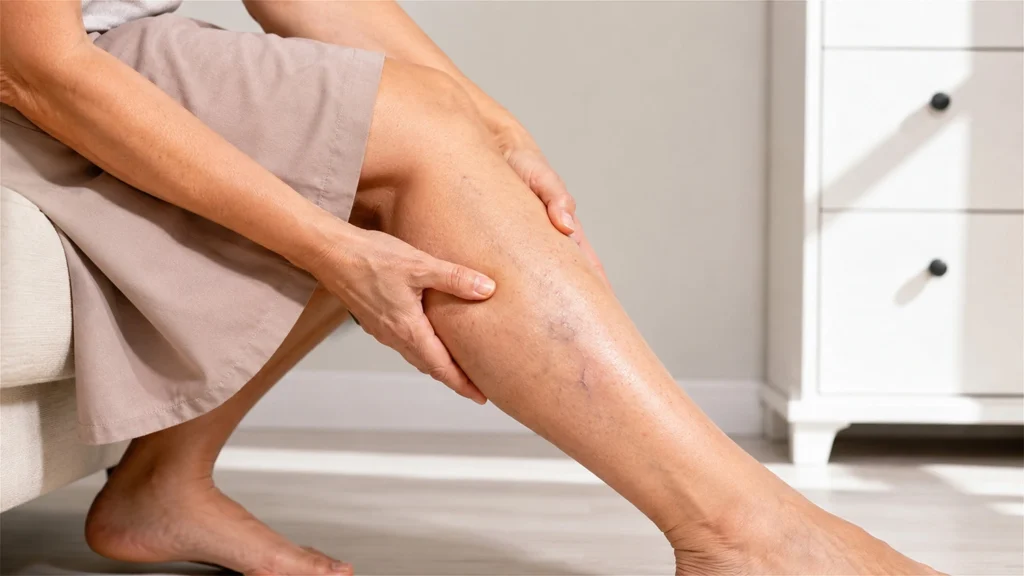
Vascular specialist examining a patient leg for poor circulation at AMS Vascular in Horsham PA

Amputation Prevention and Limb Preservation in Horsham, PA

When patients develop wounds on their feet that will not heal, the risk of serious complications rises quickly. For those with peripheral arterial disease (PAD), chronic wounds can escalate, increasing the likelihood of amputation if not properly managed.

Amputation is rarely the first step. It is usually the final stage of a circulation problem that went undiagnosed or untreated for too long. Peripheral artery disease and critical limb ischemia slowly starve the leg and foot of blood, which leads to pain, wounds that will not heal, and eventually tissue loss.

The encouraging part is that a large share of these amputations can be avoided. Research on limb preservation programs consistently shows that early vascular evaluation and timely treatment save limbs. At AMS Vascular, our goal is simple. Find the blockage, restore the blood flow, and protect your mobility and independence.

If you have been told you may need an amputation, a second opinion from a vascular specialist is worth pursuing before any decision is made.

Risk Factors

Who Is at Risk of Amputation

Certain conditions quietly raise the risk of limb loss. You may be at higher risk if you have:
  • Peripheral artery disease (PAD), a narrowing or blockage of the leg arteries
  • Diabetes, especially with numbness or foot ulcers
  • Critical limb ischemia, an advanced stage of PAD
  • Wounds, sores, or ulcers on the feet or legs that are slow to heal
  • A history of smoking
  • Chronic kidney disease
  • High blood pressure or high cholesterol
Many people live with these risk factors for years without knowing their circulation is failing. A short screening can reveal the problem long before it becomes an emergency.
Minimally invasive angioplasty to restore leg blood flow and prevent amputation
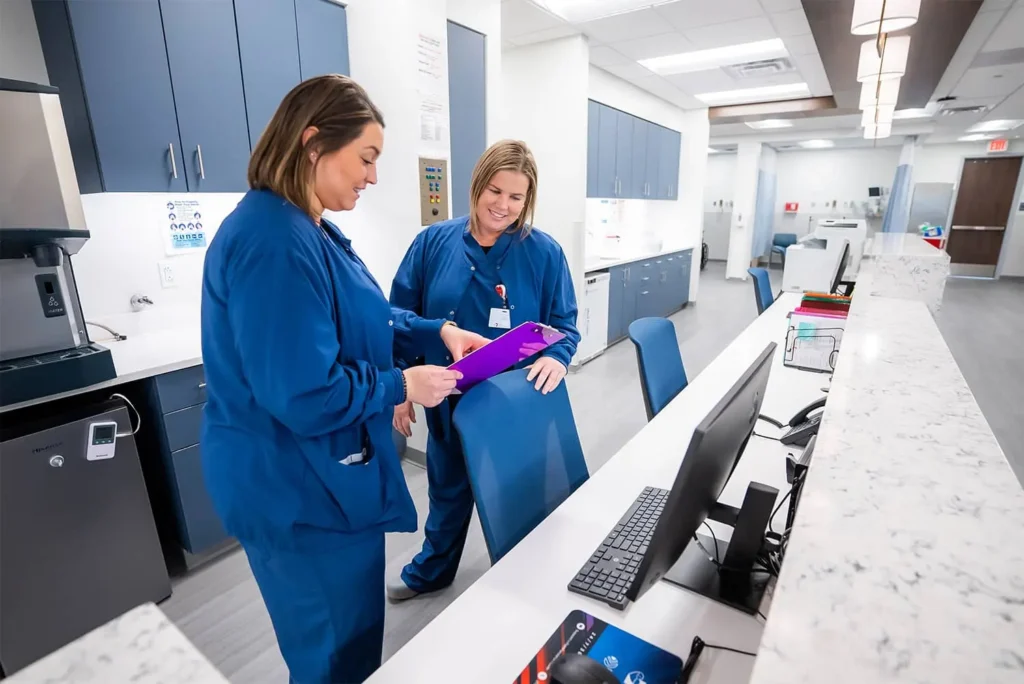
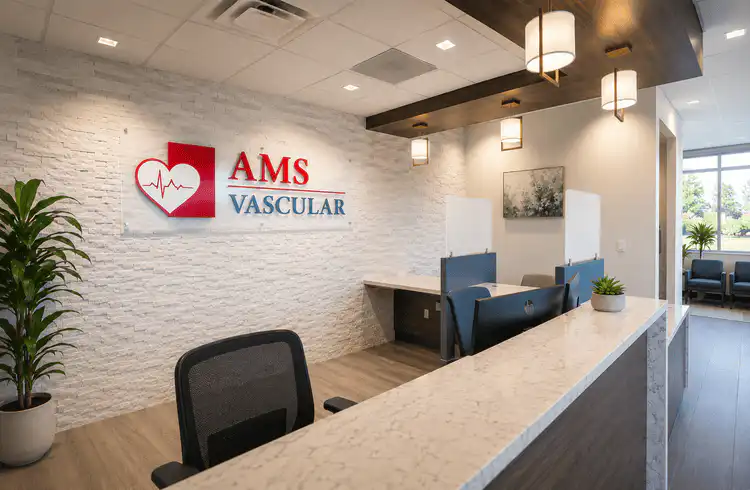
AMS Vascular limb preservation clinic reception in Horsham Pennsylvania
Know the Signs

Warning Signs You Should Not Ignore

Get evaluated promptly if you notice any of the following in your legs or feet:
  • Pain, aching, or cramping in the legs when you walk that eases with rest
  • Leg or foot pain at rest, often worse at night
  • Sores, ulcers, or blisters that will not heal
  • Skin that turns pale, bluish, or dark
  • Feet that feel cold, numb, or weak
  • A weak pulse or no pulse in the foot
  • Loss of hair or shiny skin on the lower legs
These are signals that blood is not reaching the tissue the way it should. The earlier they are addressed, the more options you have.
WHY CHOOSE AMS VASCULAR

How AMS Vascular Helps Prevent Amputation

We take a step by step approach focused on saving the limb whenever possible.

Comprehensive Vascular Evaluation

We start with non invasive testing, including ankle brachial index measurement and duplex ultrasound, to map exactly where circulation is compromised.

Minimally Invasive Revascularization

When an artery is blocked or narrowed, we use catheter based techniques such as angioplasty, atherectomy, and stenting to reopen the vessel and restore blood flow, often through a tiny access point rather than open surgery.

Wound and Diabetic Foot Support

Restoring circulation is only part of the picture. We coordinate care for slow healing wounds and diabetic foot problems so tissue has the blood supply it needs to recover.

Ongoing Monitoring

Once your limb is stable, we keep watch on your circulation to catch any new blockage early and keep you moving.
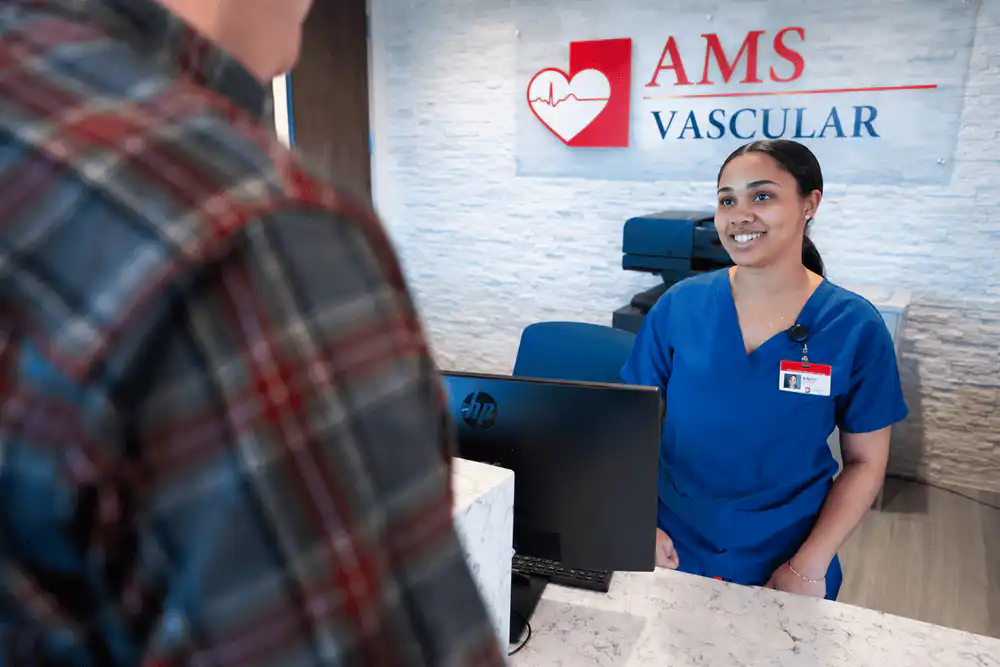
Dedicated Horsham Vein Staff
Ready to take the first step toward healthier legs?
Our vein specialists are here to help you find answers, relief and a path to better living.
Trusted care. Proven results.
DO NOT WAIT UNTIL IT IS TOO LATE

Protect Your Legs and Your Independence

Timely, specialized arterial interventions are critical to improve wound healing and prevent amputation. The specialists at AMS are ready to support you.
Advanced Vascular Diagnostics
Most Insurance Accepted
Same-Day Appointments

ANSWERS FOR COMMON QUESTIONS

Frequently Asked Questions About Amputation Prevention

Find answers to the most common questions about amputation prevention.
In many cases, yes. When poor circulation is diagnosed and treated before tissue is lost, blood flow can often be restored and the limb preserved. Outcomes depend on how advanced the condition is, which is why early evaluation matters so much.
The leading causes are peripheral artery disease and diabetes. Both can reduce blood flow to the legs and feet, leading to wounds that will not heal and, if untreated, tissue loss.
Critical limb ischemia is an advanced stage of peripheral artery disease in which blood flow to the limb is severely reduced. It can cause rest pain, non healing wounds, and a high risk of amputation without treatment.
We use minimally invasive, catheter based procedures such as angioplasty, atherectomy, and stenting. These reopen narrowed or blocked arteries through a small access point, usually with little downtime.
As soon as possible if you have a non healing wound, rest pain, or color changes in the foot. Early treatment gives the best chance of saving the limb.
Most major insurance plans cover vascular evaluation and treatment for peripheral artery disease and related conditions. Our team can help verify your coverage.
Yes. A vascular specialist can assess whether revascularization is possible before an amputation is scheduled. It is a reasonable and often valuable step.