

Mon – Fri:    5:30 AM – 5:30 PM

Vein Symptom Guide

Learn more about common vein symptoms, their causes , how we diagnose them, and the advanced treatment we offer.

01

Leg Pain / Aching / Cramping

Leg pain, aching, and cramping are common symptoms of vein disease. When the veins in your legs cannot efficiently return blood to your heart, pressure builds within the veins, leading to discomfort that often worsens after prolonged standing or sitting. Many patients notice temporary relief by elevating their legs or walking.

• Chronic venous insufficiency (CVI)
• Varicose veins
• Venous reflux disease

Your evaluation begins with a consultation to discuss your symptoms and medical history, followed by a physical examination and a painless duplex ultrasound. This allows us to identify damaged veins, evaluate blood flow, and determine the source of your leg pain.

Depending on your ultrasound results, treatment may include:
02

Skin Changes / Discoloration

Darkening of the skin, redness, itching, or thickened skin around the lower legs may indicate chronic vein disease. These changes occur when increased pressure inside damaged veins affects the surrounding skin and tissue.

• Chronic venous insufficiency
• Venous hypertension
• Varicose veins
• Venous stasis dermatitis

A comprehensive evaluation includes reviewing your symptoms, examining your skin, and performing a duplex ultrasound to identify abnormal blood flow contributing to these skin changes.

Treating the underlying vein disease often improves skin health and helps prevent further damage.

Treatment may include:
03

Leg or Ankle Swelling

Persistent swelling in the legs or ankles can be caused by poor circulation resulting from damaged veins. As blood pools in the legs, fluid leaks into surrounding tissues, causing discomfort and swelling.

• Chronic venous insufficiency
• Venous reflux
• Varicose veins
• Lymphedema

Using duplex ultrasound, we evaluate blood flow, valve function, and the health of your veins to determine whether vein disease is contributing to your swelling.

Once the underlying cause is identified, treatment may include:
04

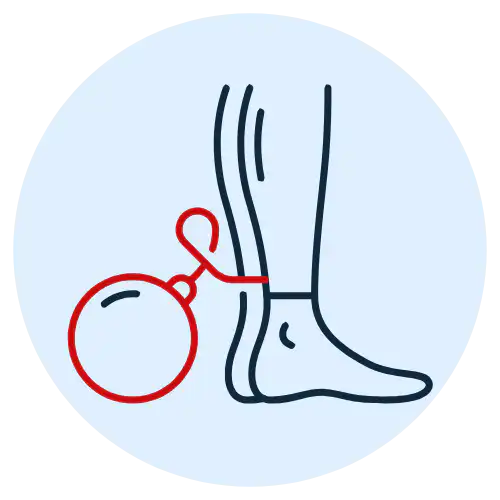
Leg Heaviness & Fatigue

A feeling of heavy, tired legs is often one of the earliest signs of vein disease. Poor circulation forces your leg muscles to work harder, creating fatigue that often worsens later in the day.

• Venous insufficiency
• Varicose veins
• Venous reflux
• Prolonged standing

Your specialist will perform an ultrasound evaluation to determine whether damaged vein valves are preventing healthy circulation.

Treatment is designed to restore healthy circulation and relieve symptoms through:
05

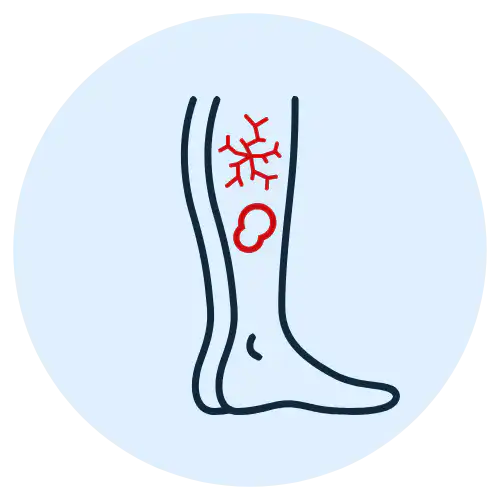
Ulcers / Sores / Open Wounds

Open sores on the lower legs or ankles are often associated with advanced vein disease. These wounds develop when long-term pressure inside damaged veins interferes with healthy circulation and skin healing.

• Chronic venous insufficiency
• Venous hypertension
• Varicose veins

We examine the wound, review your medical history, and perform an ultrasound to identify the underlying vein disease preventing proper healing.

Treating the diseased veins improves circulation and supports healing.

Treatment may include:
06

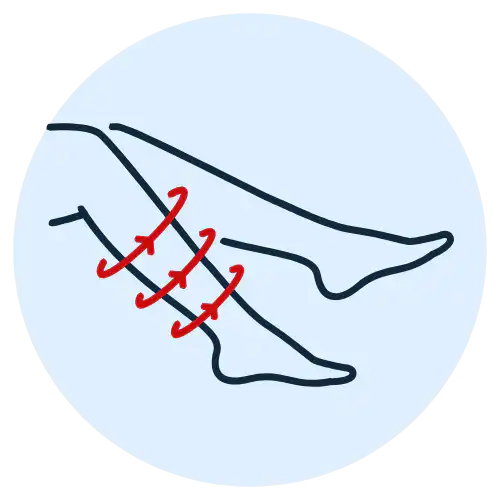
Restlessness in the Legs

An uncontrollable urge to move your legs, particularly at night, may be associated with underlying vein disease. Poor circulation can contribute to leg discomfort that interferes with rest and sleep.

• Chronic venous insufficiency
• Varicose veins
• Venous reflux

After discussing your symptoms, we use duplex ultrasound to determine whether abnormal vein function is contributing to your restless legs.

When vein disease is identified, treatment may include:
07

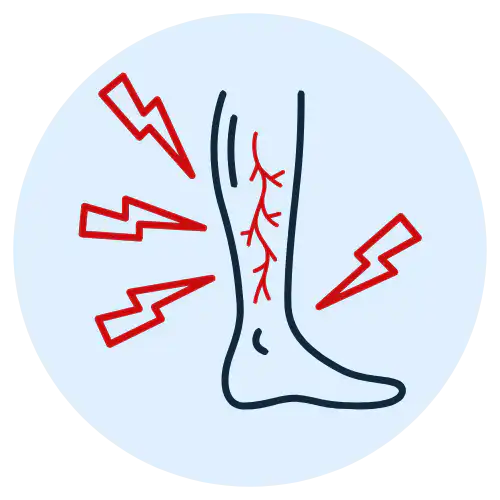
Tingling or Burning in the Legs

Burning, tingling, itching, or pins-and-needles sensations may occur when poor circulation affects the nerves and tissues of the lower legs. These symptoms often worsen as vein disease progresses.

• Chronic venous insufficiency
• Venous reflux
• Varicose veins

Using duplex ultrasound, we evaluate your circulation and identify damaged veins that may be contributing to these symptoms.

Improving circulation often helps reduce discomfort.

Treatment options include:
08

Varicose Veins

Varicose veins are enlarged, twisted veins caused by weakened valves that allow blood to flow backward and collect within the veins. In addition to their appearance, varicose veins can cause pain, swelling, heaviness, and other symptoms of chronic venous insufficiency.

• Chronic venous insufficiency
• Venous reflux
• Genetics
• Pregnancy
• Prolonged standing

A duplex ultrasound allows us to evaluate blood flow, identify reflux, and determine which veins require treatment.

Treatment is customized based on the size and location of the affected veins and may include:

READY TO FEEL BETTER?

Eliminate Achy Legs and Live an Active Life Again

Minimally invasive treatments. Most insurance accepted. Get back to the life you love.

15-45 Minute Treatments

Most Insurance Accepted

Same-Day Appointments